Speaking up and psychological safety
For organisations, leadership teams, managers and employees wanting to create a working environment where people feel encouraged to express ideas, challenge established thinking, raise concerns and contribute to innovation.
- Two directions
- Workshops or programmes
- Online or in person
The problem
Why people stay silent
In many workplaces, people have valuable ideas, questions or concerns but choose not to voice them.
They may worry about being judged, making mistakes, challenging authority or disagreeing with colleagues. When people remain silent, organisations risk missing opportunities for improvement, creativity and innovation.
Feeling safe is only the start
But creating an environment where people feel safe to speak up is only half the challenge.
Having a good idea doesn't necessarily mean someone knows how to communicate it effectively. People may struggle to choose the right moment, structure their thoughts, make a compelling case or present their ideas with confidence.
For organisations to benefit from the ideas and perspectives of their people, both sides need attention.
Psychological safety training from both sides
The Human Voice Studio approaches speaking up and psychological safety from two complementary directions.
Creating an environment where people feel able to contribute
- Understanding why people hesitate to speak up
- Recognising the influence of hierarchy and group dynamics
- Encouraging curiosity, experimentation and constructive challenge
- Listening openly to different opinions and perspectives
- Responding constructively to ideas, questions and disagreement
- Creating space for contributions, including unconventional ideas
Developing the skills to communicate ideas effectively
- Recognising when and how to introduce an idea
- Understanding the audience and choosing the right approach
- Structuring an idea or pitch clearly and concisely
- Making a compelling case for a suggestion or change
- Using voice, language and body language to communicate with impact
- Handling questions, objections and challenges
- Developing confidence to contribute, even when an idea challenges existing thinking
Sessions are highly interactive, using creative communication exercises, practical pitching challenges, realistic workplace scenarios and constructive feedback.
Participants have opportunities to practise both presenting ideas and responding to the ideas of others.
Workshops or a longer programme
- Format
- Workshop or programmeTraining can be delivered as a half-day or full-day workshop, or as part of a longer team or leadership development programme.
- Where
- Online or in personAvailable online or in person.
- Also for
- Teams with new ideasAlso relevant for teams wanting to strengthen their ability to communicate, present and develop new ideas effectively.
Make contributions count
Leaders and teams explore how to encourage openness and constructive challenge, while individuals learn how to communicate their ideas in ways that are more likely to be understood and considered.
The aim is to help organisations create an environment where people not only feel able to speak up, but also have the skills to make their contributions count.
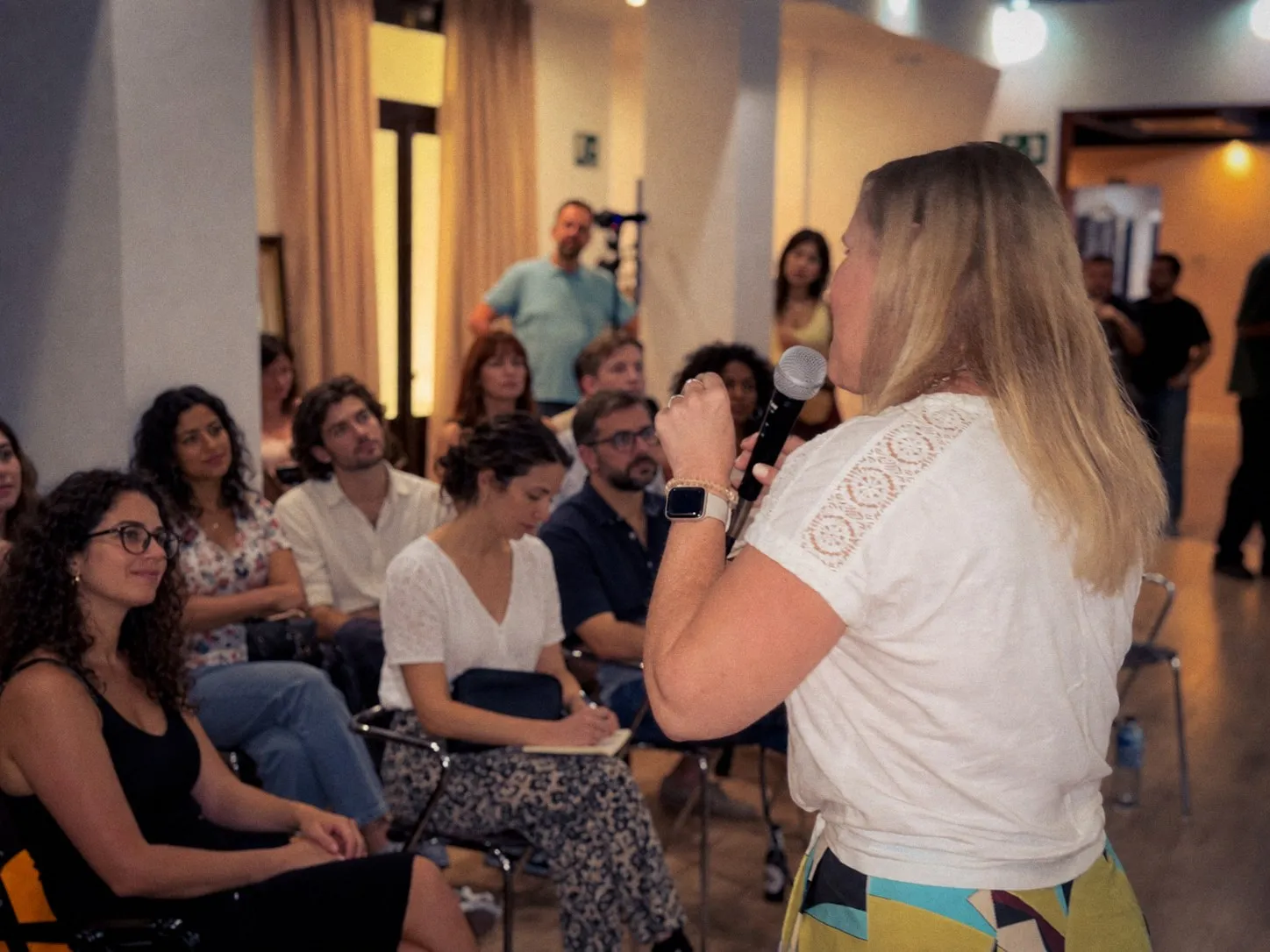
Both sides need attention.
What participants leave with
Greater awareness of how their communication affects others
Ideas expressed clearly and compellingly
Constructive responses to different perspectives
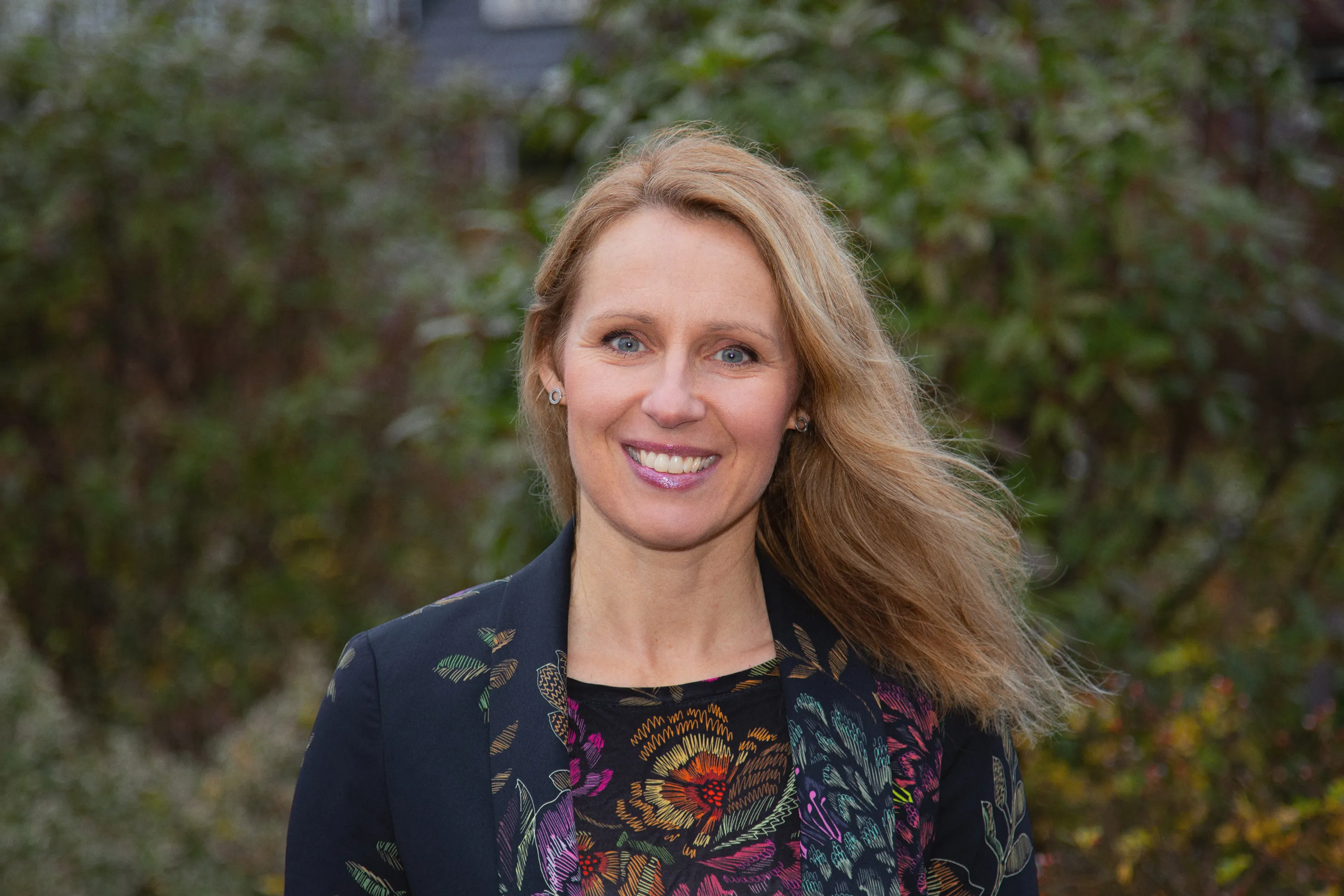
Led by Kirsten de Bouter Shillam
Speaker, communication strategist and founder of The Human Voice Studio. Kirsten trained in theatre and performance before moving into business, psychology and coaching, and has spent more than 30 years helping individuals, teams and organisations across Europe communicate with greater clarity, confidence and impact.
She has worked with companies, schools and organisations, and has been a TEDx speaker, organiser and speaker coach. Sessions run in English, and Kirsten is also fluent in Dutch and Spanish.
- 30+ years' experience
- BSc Psychology
- PCC Coach
- TEDx speaker & coach
- Trained in performance
Psychological safety training, answered
What is speaking up and psychological safety training?
Training that approaches speaking up from two complementary directions: creating an environment where people feel able to contribute, and developing the skills to communicate ideas effectively.
Why do people hesitate to speak up?
They may worry about being judged, making mistakes, challenging authority or disagreeing with colleagues. When people remain silent, organisations risk missing opportunities for improvement, creativity and innovation.
Isn't a safe environment enough?
Creating an environment where people feel safe to speak up is only half the challenge. Having a good idea doesn't necessarily mean someone knows how to communicate it effectively, so both sides need attention.
What does the training cover?
Why people hesitate to speak up, hierarchy and group dynamics, listening openly and responding constructively to ideas and disagreement, alongside introducing, structuring and pitching an idea, making a compelling case, and handling questions, objections and challenges.
How is it taught?
Sessions are highly interactive, using creative communication exercises, practical pitching challenges, realistic workplace scenarios and constructive feedback. Participants practise both presenting ideas and responding to the ideas of others.
What format can it take?
A half-day or full-day workshop, or part of a longer team or leadership development programme, online or in person.
How do we book?
Contact The Human Voice Studio to discuss a tailored Speaking Up and Psychological Safety workshop or team development programme.
Other ways to work together
Discuss a speaking up workshop
Contact The Human Voice Studio to discuss a tailored Speaking Up and Psychological Safety workshop or team development programme.